
The fundamental difference between a quartz watch and a mechanical watch lies in its power source. While mechanical watches rely on a mainspring and escapement system, quartz watches are powered by electrical energy from a battery. The battery sends an electric current through a quartz crystal oscillator, causing it to vibrate at a highly stable frequency. This vibration regulates a motor that drives the watch hands or digital display.

Generally, quartz watches come in two display styles, both powered by electricity.
An analog quartz watch looks similar to a mechanical watch. However, instead of using an escapement system to transmit mechanical energy, it uses a stepper motor to drive the gear train. The ticking motion of the seconds hand — typically one tick per second — is a hallmark of quartz movement.
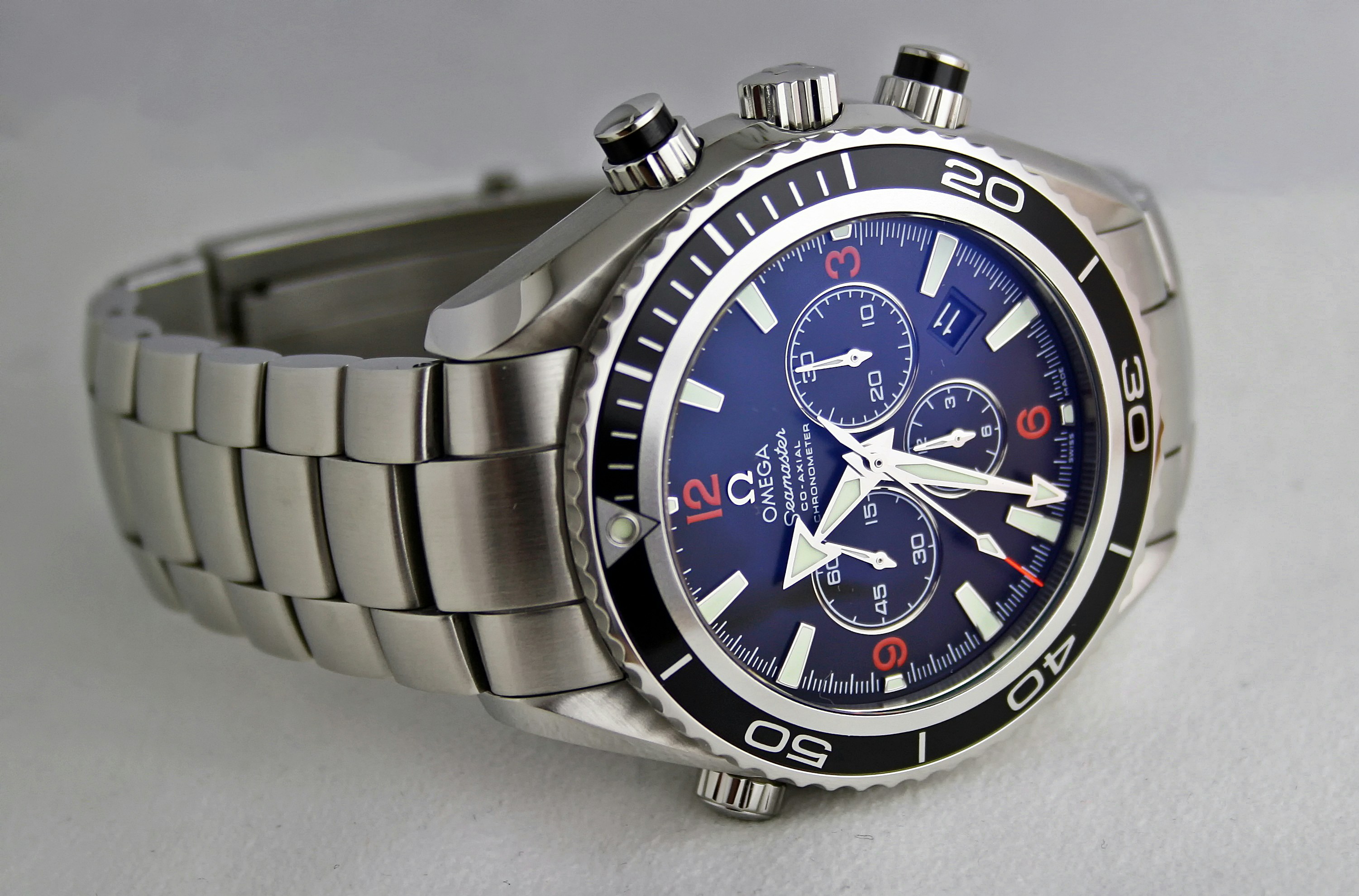
A digital quartz watch uses electronic circuits to translate quartz vibrations into numerical time displayed on an LCD screen. Structurally, this type differs significantly from traditional mechanical watches.
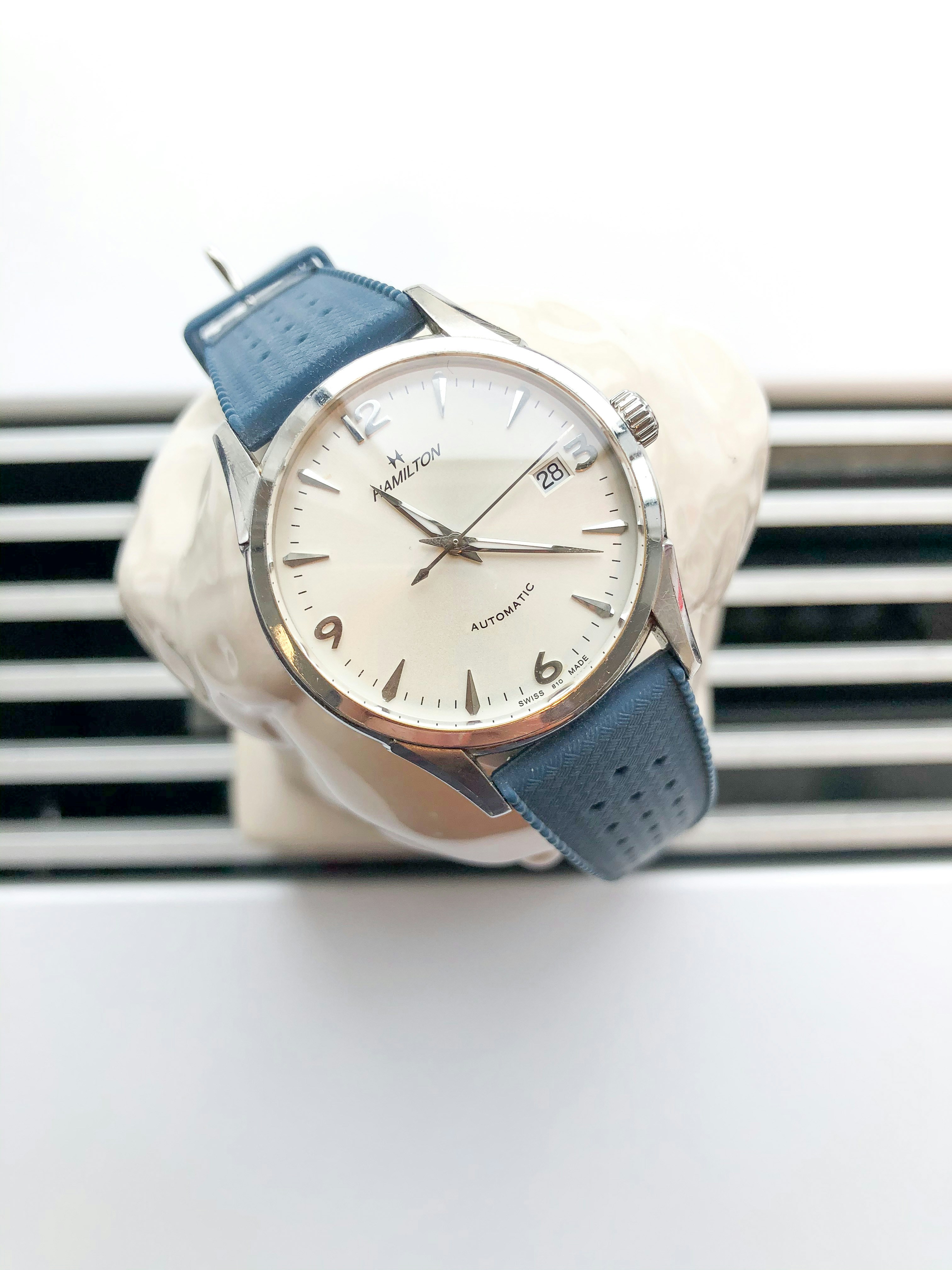
Accuracy is one of the most significant distinctions between quartz and mechanical watches. A high-quality mechanical watch may achieve a daily deviation within ±10 seconds. Quartz watches, however, operate at a much higher oscillation frequency, resulting in an average monthly deviation within ±20 seconds. For those who prioritize time precision and do not mind battery power, quartz watches offer a clear advantage.
Since their widespread rise in the 1970s and subsequent market adjustment, quartz watches have developed into a distinct segment separate from mechanical timepieces. Today, both categories have loyal enthusiasts. Quartz watches have also evolved beyond simple battery-powered accuracy.
Taking SEIKO as an example, the brand has established a strong reputation in quartz innovation. Its modern quartz watches can generally be categorized into three major types:
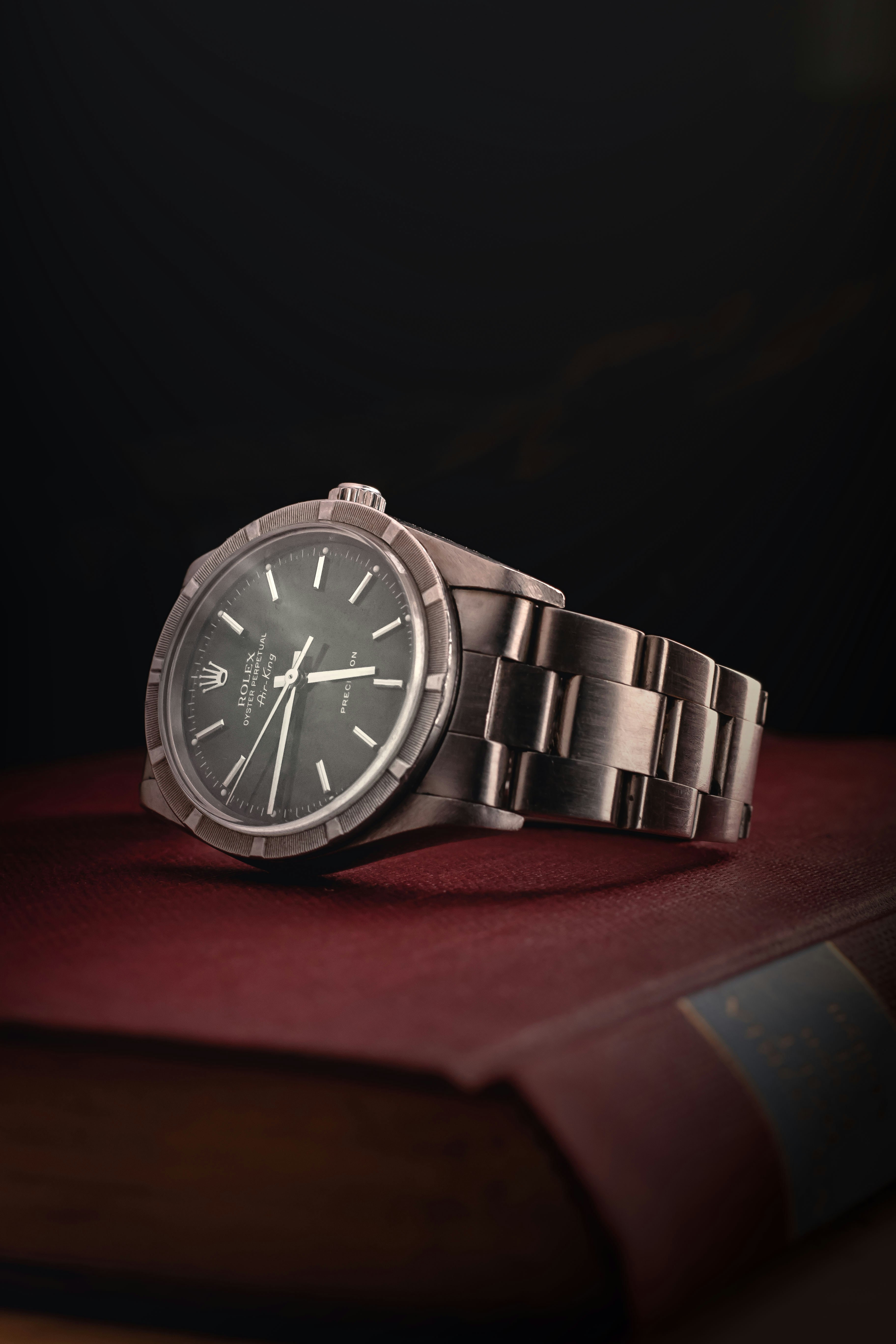
As the name suggests, solar quartz watches do not require regular battery replacement. A solar panel is integrated into the movement, converting light — whether sunlight or indoor lighting — into electrical energy. This energy is stored in a rechargeable battery.
Typically, about 8 hours of direct sunlight or approximately 90 hours under fluorescent lighting can fully charge the watch. Because light sources are almost always present in daily life, the watch is essentially in a continuous charging state.

Radio-controlled quartz watches pursue an even higher level of precision. They are equipped with a system that receives standard time radio signals transmitted from atomic clock towers in specific countries. As long as the signal is received successfully, the accuracy can reach an astonishing deviation of only one second in 100,000 years.
Introduced by SEIKO in 2007 as an advanced evolution of its 1998 kinetic technology, this patented system blends mechanical and quartz principles.
It generates electricity through the wearer’s wrist movement, similar to an automatic mechanical watch. The energy is stored and regulated by a quartz oscillator, ensuring quartz-level accuracy. Additional features such as manual winding, power reserve indicators, and energy display functions enhance usability.
This hybrid concept represents a near “ideal watch” — combining mechanical interaction with quartz precision.



 How Can You Build Your Own Watch Brand with a Limited Budget?
 English
 Español
 Русский язык
 Français
 بالعربية
 Facebook
 Youtube
 Linkedin
 Twitter
 Instagram
 Pinterest