
In high-end watchmaking, design is not decoration — it is strategy, structure, engineering, and brand philosophy combined.
Every watch begins with positioning. Is it sporty, vintage-inspired, minimalist, or a high-complication statement piece? Concept development defines the product DNA before a single line is drawn.
At this stage, creativity must align with market logic. True design is the balance between rational planning and aesthetic intuition.
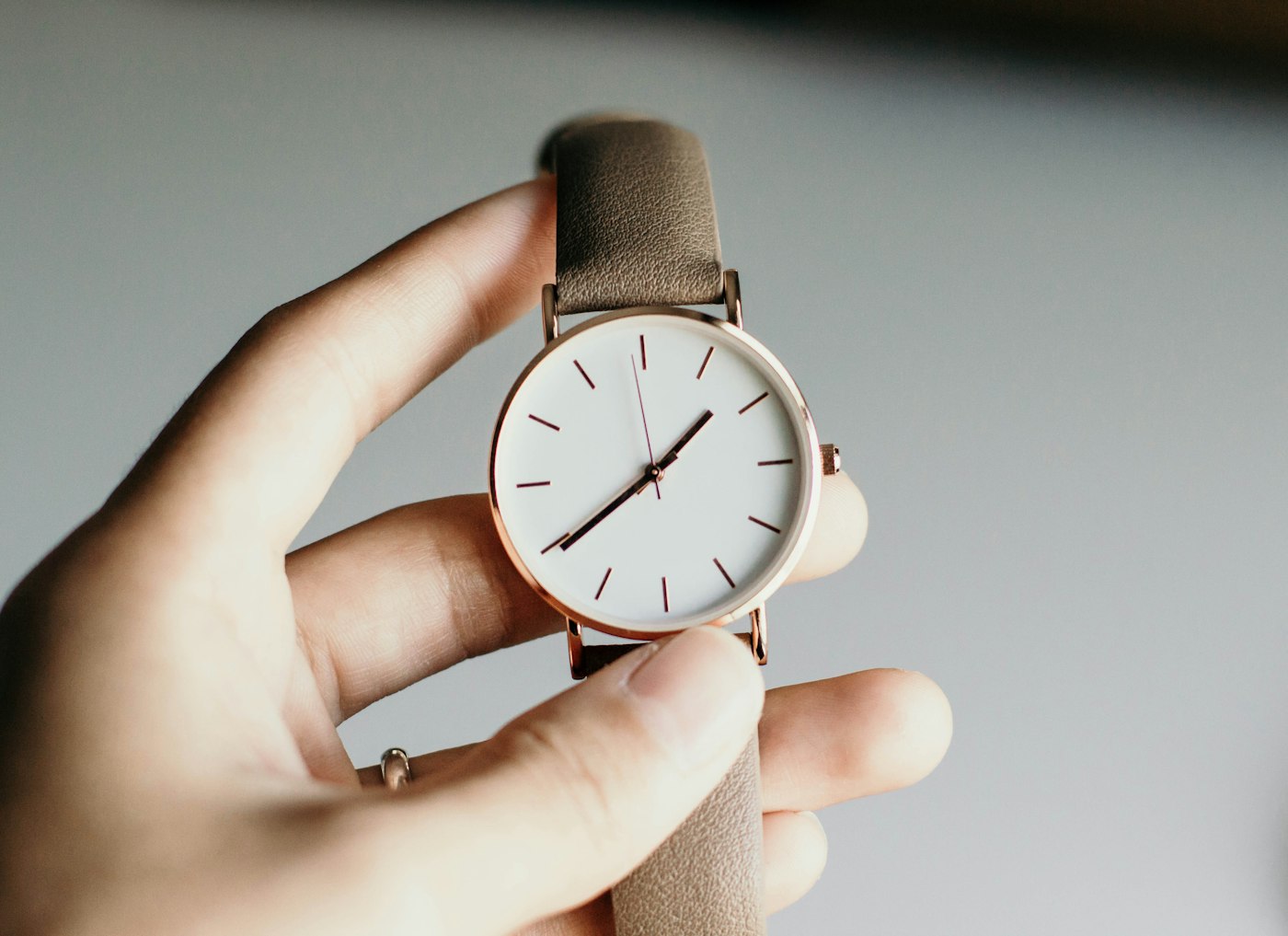
Once direction is clear, designers begin sketching the visual language of the watch.
Early sketches — whether hand-drawn or created on iPad — focus on proportion and personality rather than exact measurements. The goal is to express identity quickly and clearly.

Design is dialogue. Clear communication prevents costly revisions later.
Experience shows that patient discussion is more valuable than rushed execution.
After sketches are approved, precision engineering begins.
Software such as AutoCAD and Adobe Illustrator is used to produce accurate technical drawings. All tolerances are specified to ensure manufacturability.
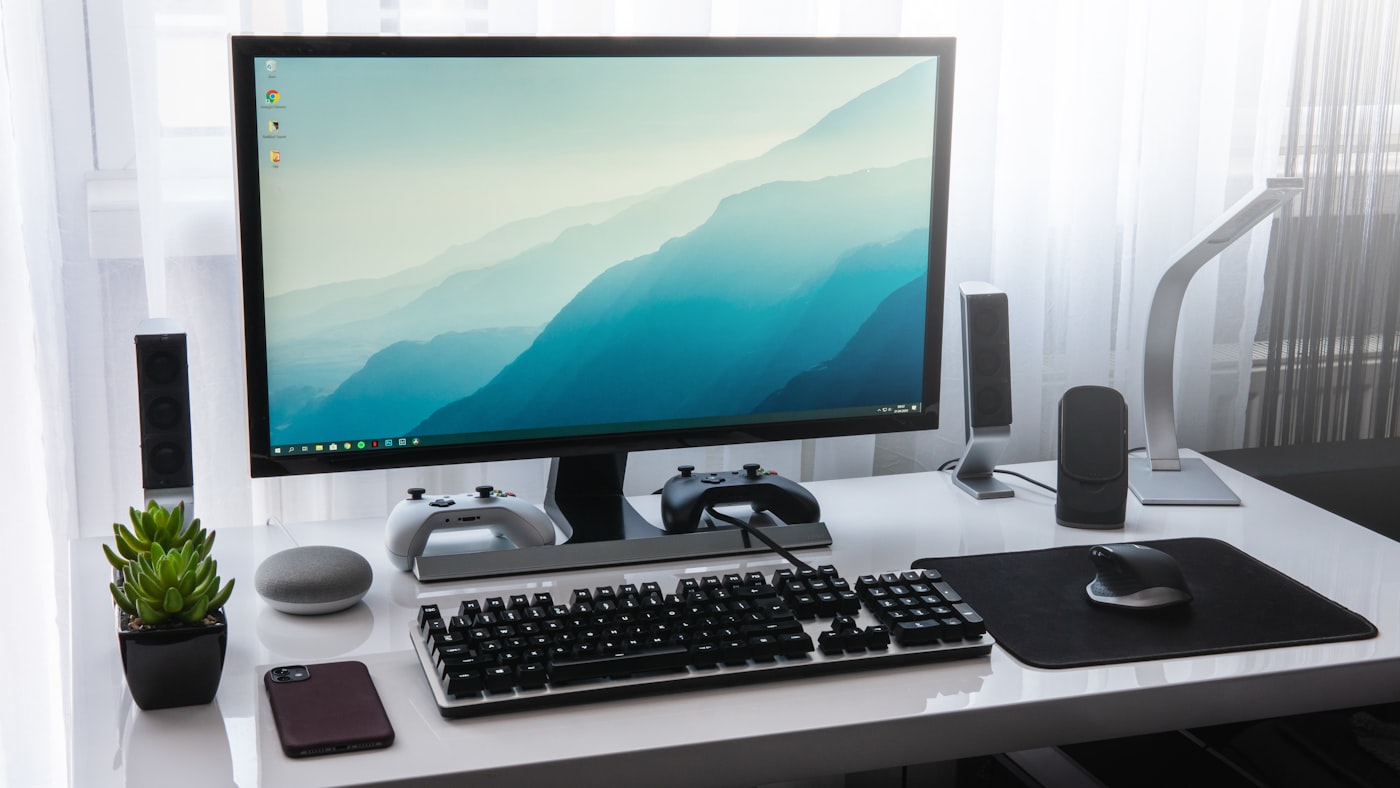
3D modeling transforms drawings into realistic structures using software like SolidWorks, Rhino, or ProE.
High-quality renderings can also be used for crowdfunding campaigns or marketing previews.
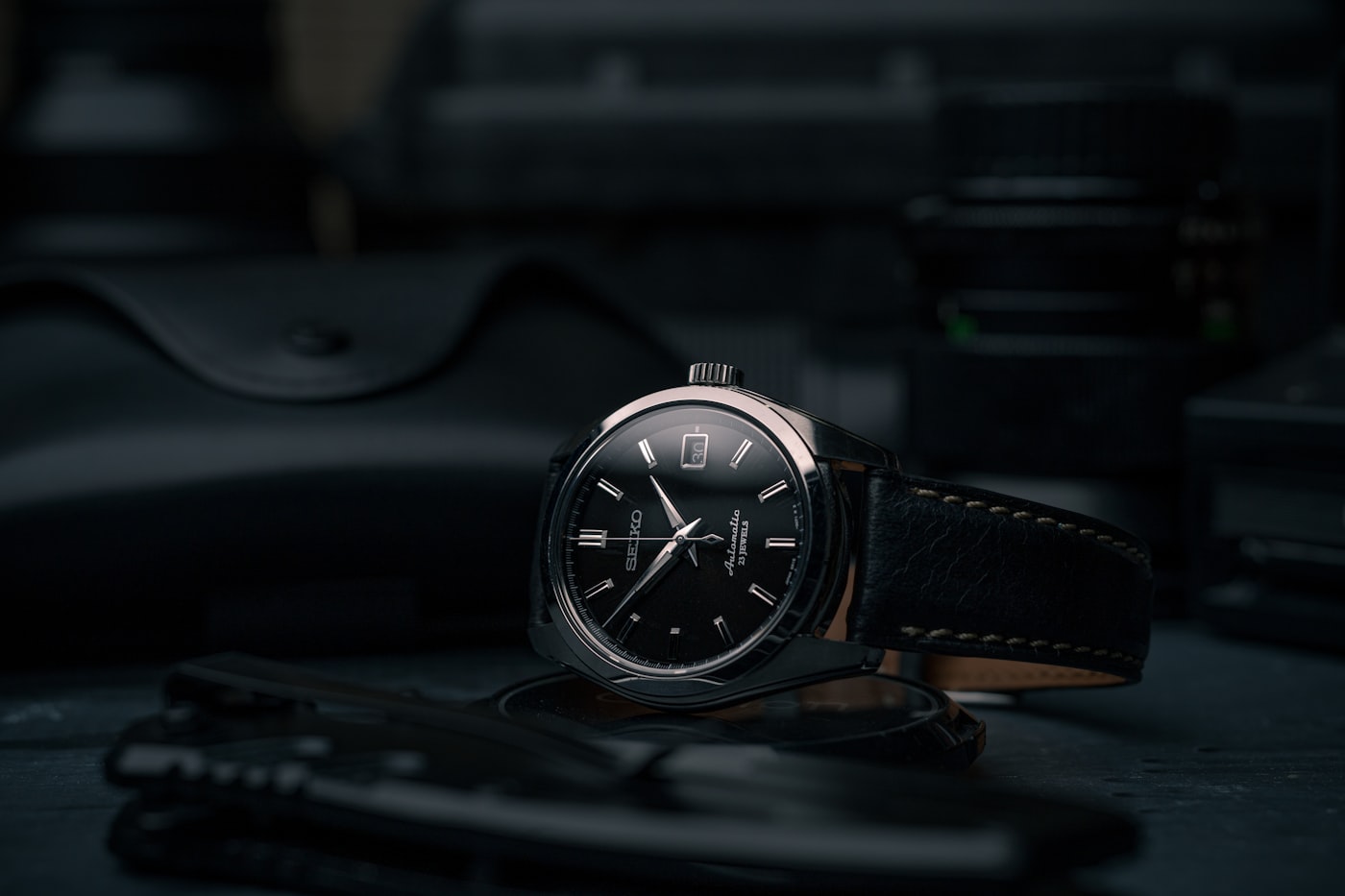
Refinement defines maturity. Most successful designs undergo multiple structured revisions:
Rational iteration transforms good ideas into competitive products.
Final deliverables typically include:
These files are ready for CNC machining and mold manufacturing.
Basic Design: 300 – 800 USD
Complex Design: 800 – 2500 USD
High-quality design is not an expense — it is long-term brand equity.
Typical timeline:
Standard total duration: 3–4 weeks Complex projects: up to 6 weeks
After design confirmation, prototype production begins:
Prototype production cycle: 20–35 days.
Each prototype undergoes waterproof testing, dimensional verification, cosmetic inspection, and real-wear testing before mass production approval.

Watch design is not simply drawing — it is a systematic process that integrates creativity, engineering, precision, and manufacturing discipline.
If you are building your own watch brand, every design decision today will define your product’s height tomorrow.
 How Can You Build Your Own Watch Brand with a Limited Budget?
 English
 Español
 Русский язык
 Français
 بالعربية
 Facebook
 Youtube
 Linkedin
 Twitter
 Instagram
 Pinterest