
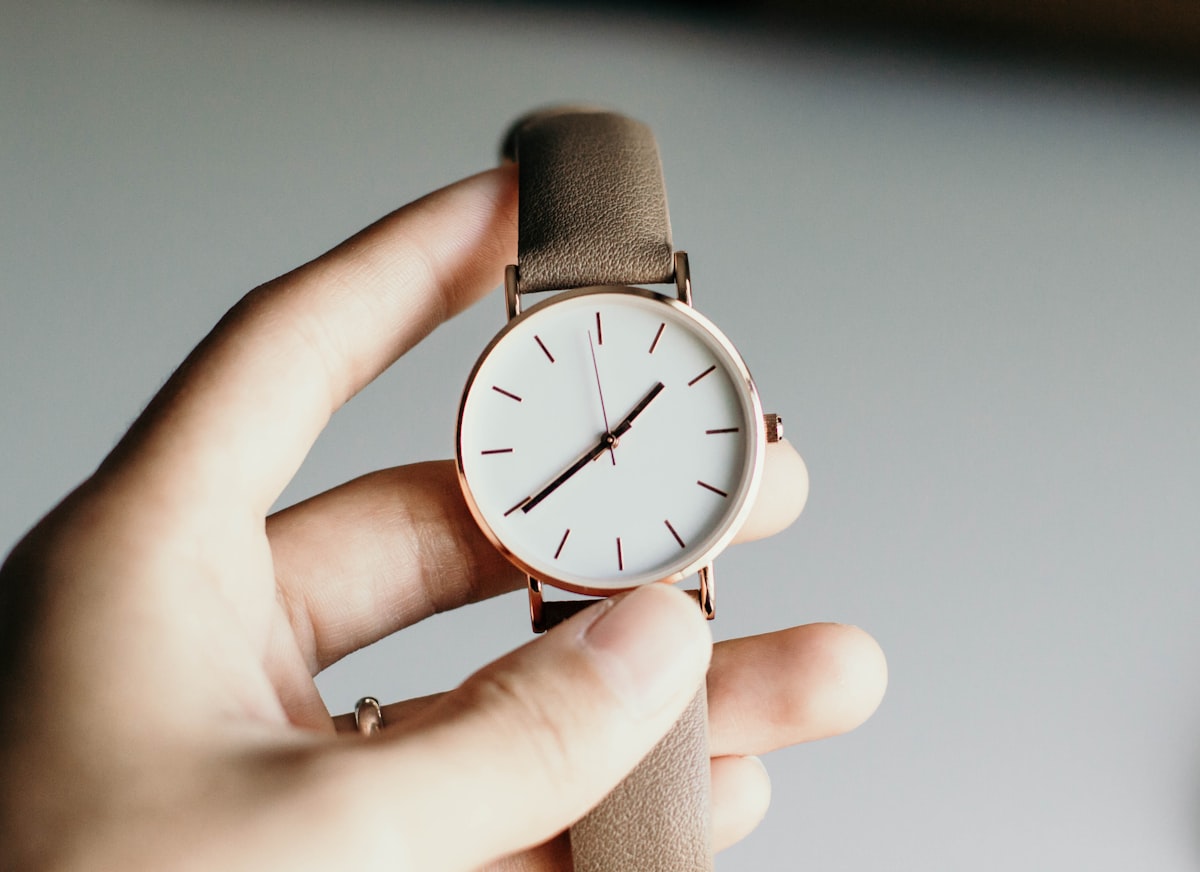
A mechanical watch contains hundreds of components. While complete maintenance is complex, these three external parts deserve your special attention.
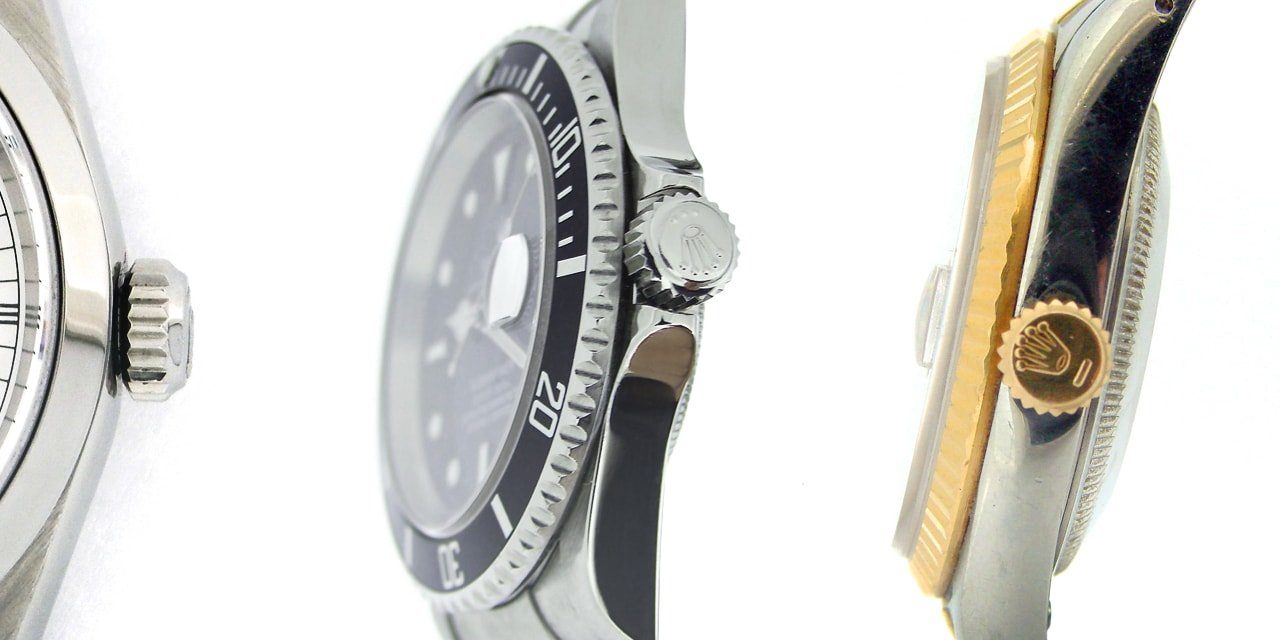
The crown is one of the most critical functional components of a watch. In most water damage cases, moisture enters through the crown area. Once water penetrates the movement, it can severely affect the overall performance of the timepiece.
To enhance sealing performance, many modern watches use internal O-ring gaskets. Some manufacturers even reinforce the seal by adding an external retaining ring to improve water resistance and durability.
However, daily operations such as winding, pulling out, and rotating the crown for time or date adjustments accelerate gasket wear. Over time, the sealing rubber may age or degrade.
Important: If the crown becomes loose, damaged, or detached, replace it immediately to prevent further internal damage.
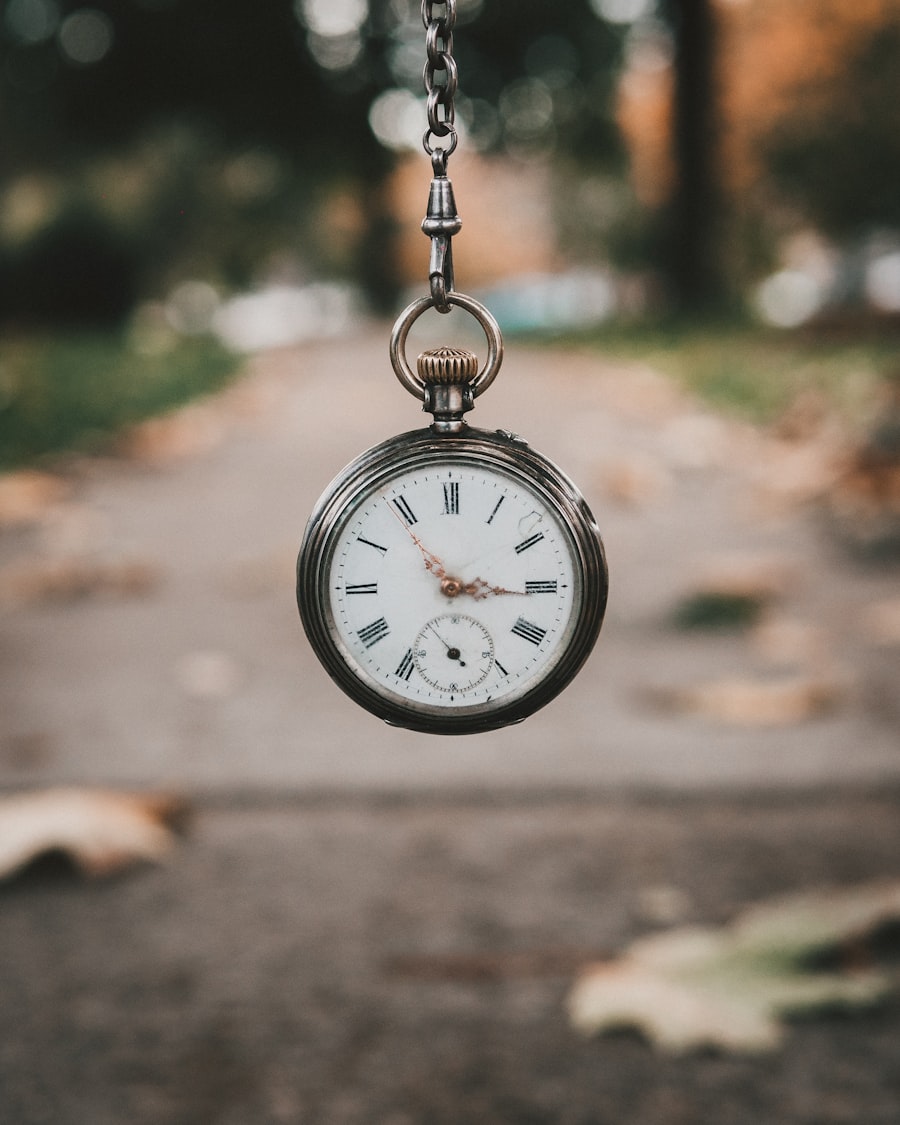
During daily wear, minor scratches on the crystal are almost unavoidable. Some watch enthusiasts even upgrade their timepieces with higher-grade crystals to enhance clarity and aesthetics.
Replacing a watch crystal is often expensive and inconvenient. Even sapphire crystal, known for its scratch resistance, can still crack or chip under strong impact.
Avoid direct collisions with sharp or hard objects. Additionally, ensure your strap remains in good condition. A damaged strap may cause the watch to fall, leading to serious crystal or case damage.
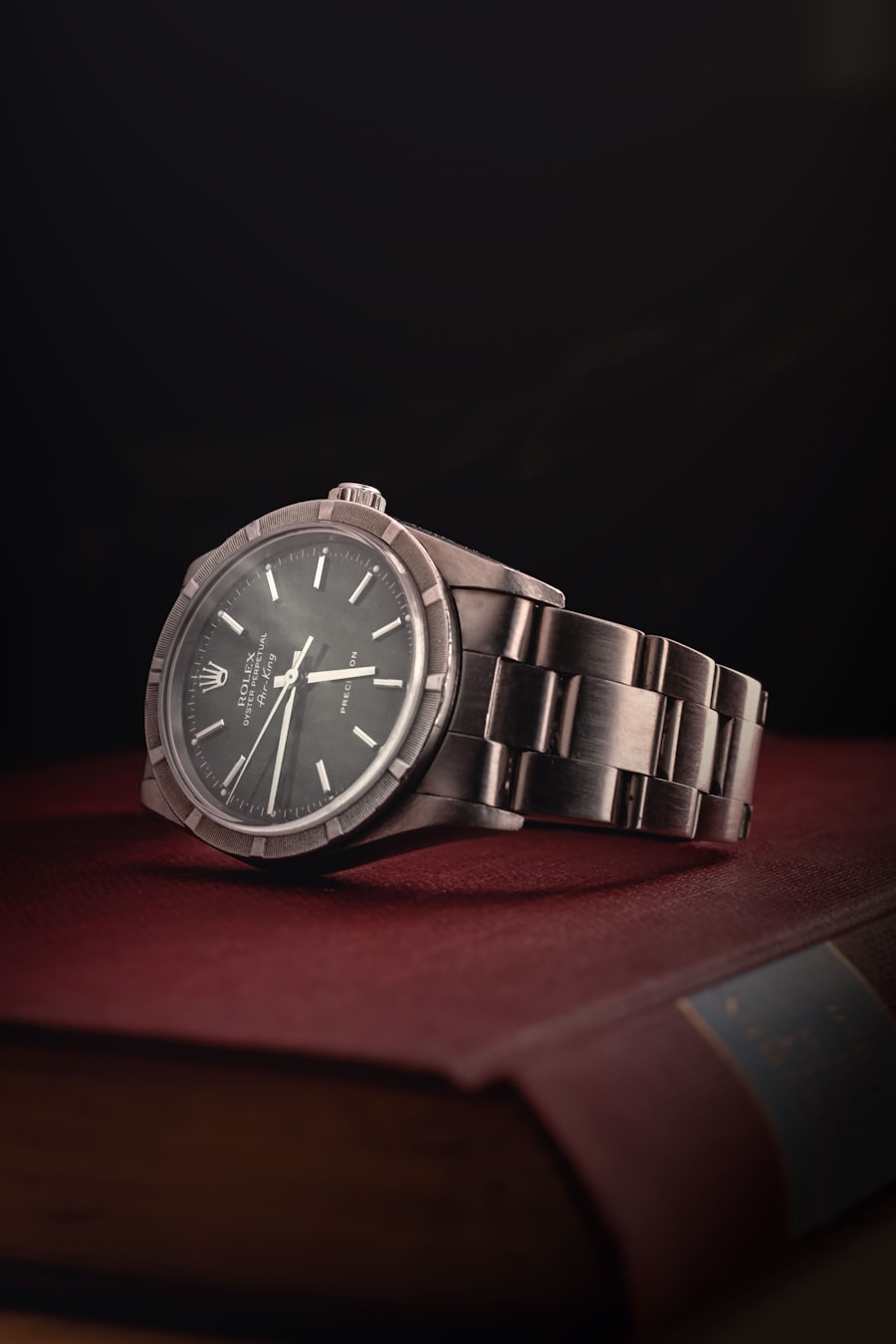
Sweat contains corrosive elements that can gradually affect the watch case. Full stainless steel cases, typically made from nickel-chromium alloys, offer stronger corrosion resistance.
Semi-steel cases, often incorporating copper components, are more vulnerable to corrosion when exposed to sweat for extended periods.
To protect your watch:
A watch is more than just a strap and a dial. While internal servicing requires professional expertise, proper daily care of the crown, crystal, and case can significantly extend your timepiece’s lifespan.
Prevention is always more effective — and more economical — than repair.



 How Can You Build Your Own Watch Brand with a Limited Budget?
 English
 Español
 Русский язык
 Français
 بالعربية
 Facebook
 Youtube
 Linkedin
 Twitter
 Instagram
 Pinterest