
Over the past few years, the global watch market has been dominated by sports models. Stainless steel cases, integrated bracelets, larger case diameters, and high water resistance became the safest and most liquid choices. For many buyers, these keywords represented stability and resale value.
However, according to millions of real transaction records from Chrono24, the market appears to have reached a turning point. Collectors are gradually shifting their focus away from pure utility and back toward elegance, aesthetics, and timeless design.
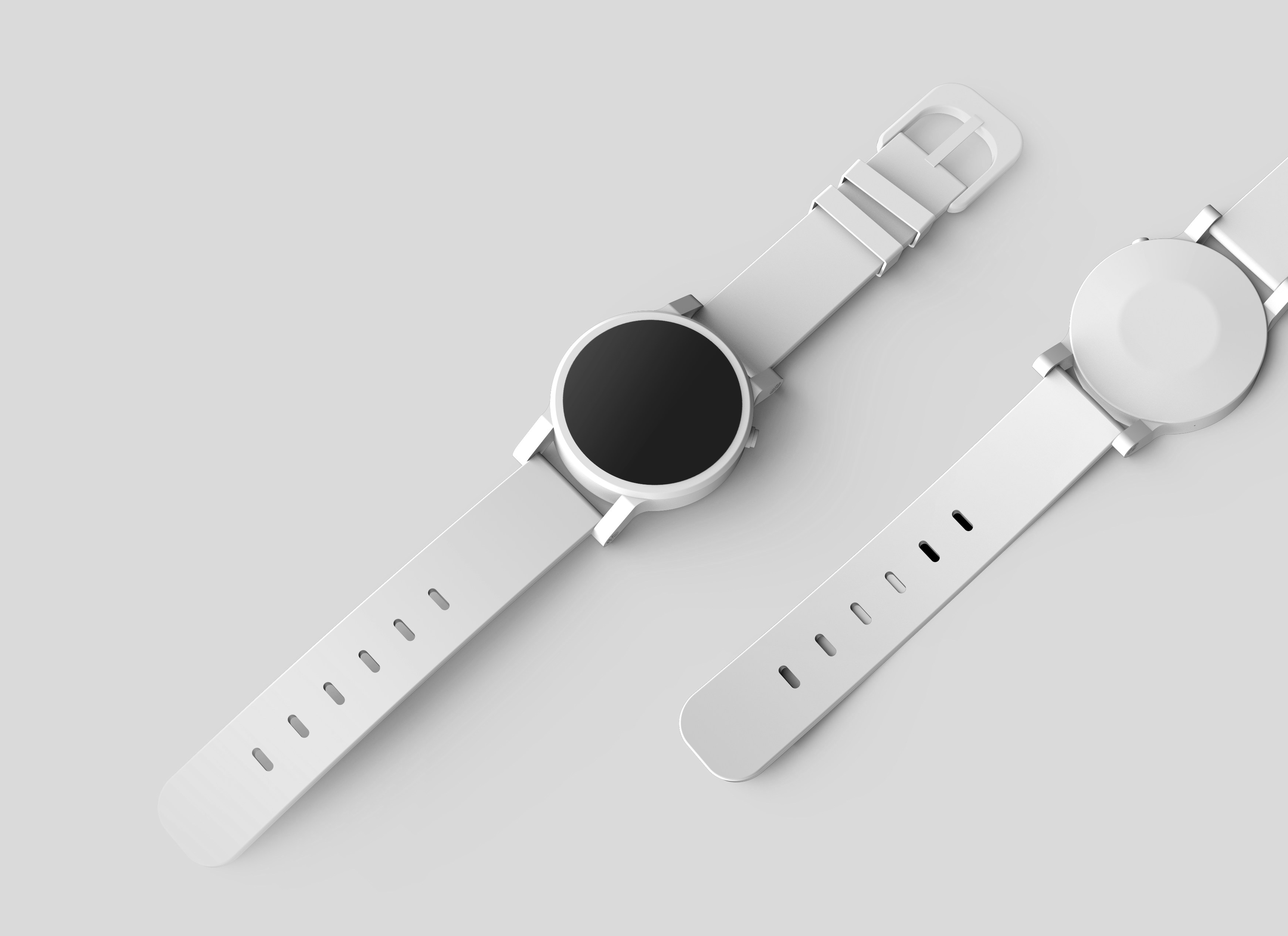
The most visible transformation lies in case shape. Non-traditional round cases are making a strong comeback. Demand for rectangular cases has increased by 9.3% compared to 2024. This is not simply the return of classic icons such as the Cartier Tank or the Cartier Santos, but rather a broader change in attitude.
A watch is no longer viewed merely as a daily tool. It has become an extension of personal style and taste. The rectangular form signals confidence, refinement, and individuality — qualities that transcend short-term market speculation.
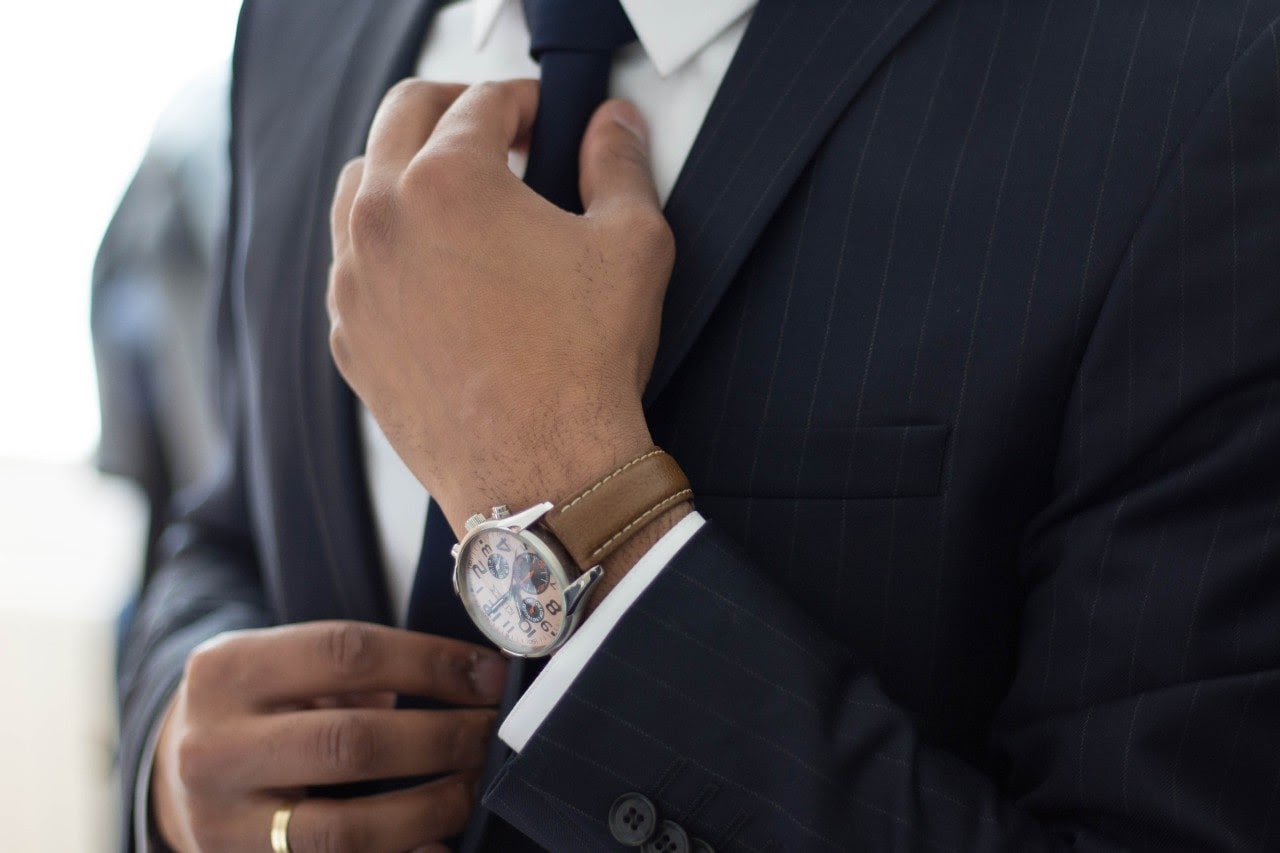
Dial color preferences reveal even more. Blue and black dials — once considered the safest value-retaining options — have now plateaued in demand. Instead, more expressive choices are rising rapidly.
These numbers reflect a meaningful shift: collectors are increasingly willing to pay for beauty and character, not just liquidity. The emotional appeal of a watch now outweighs its flipping potential.

Functional preferences are also evolving. Among all complications, the moonphase function recorded the most impressive growth — up 15.3% year-over-year.
This is fascinating because moonphase is never about efficiency. It represents romance, craftsmanship, heritage, and mechanical poetry. When collectors embrace moonphase once again, it signals that appreciation of mechanical artistry has overtaken the pursuit of raw specifications.

This stylistic transition is clearly reflected in brand performance.
Cartier has become one of the major beneficiaries, with steady demand for the Santos and Tank driving annual growth of 8.3%. The brand’s philosophy — classic yet never outdated — aligns perfectly with the current market sentiment.
Vacheron Constantin recorded a remarkable 13.4% market share increase on Chrono24 in 2025, even surpassing other members of the traditional “Holy Trinity.” This suggests that collectors are reassessing understated, refined haute horlogerie rather than chasing exposure and hype.
IWC also delivered strong performance, with 14.4% annual growth. Interestingly, the momentum was not limited to classic dress watches. The Pilot and Ingenieur collections contributed significantly, proving that the spirit of tool watches still resonates — but buyers now care more about proportion, design balance, and historical context rather than sheer ruggedness.
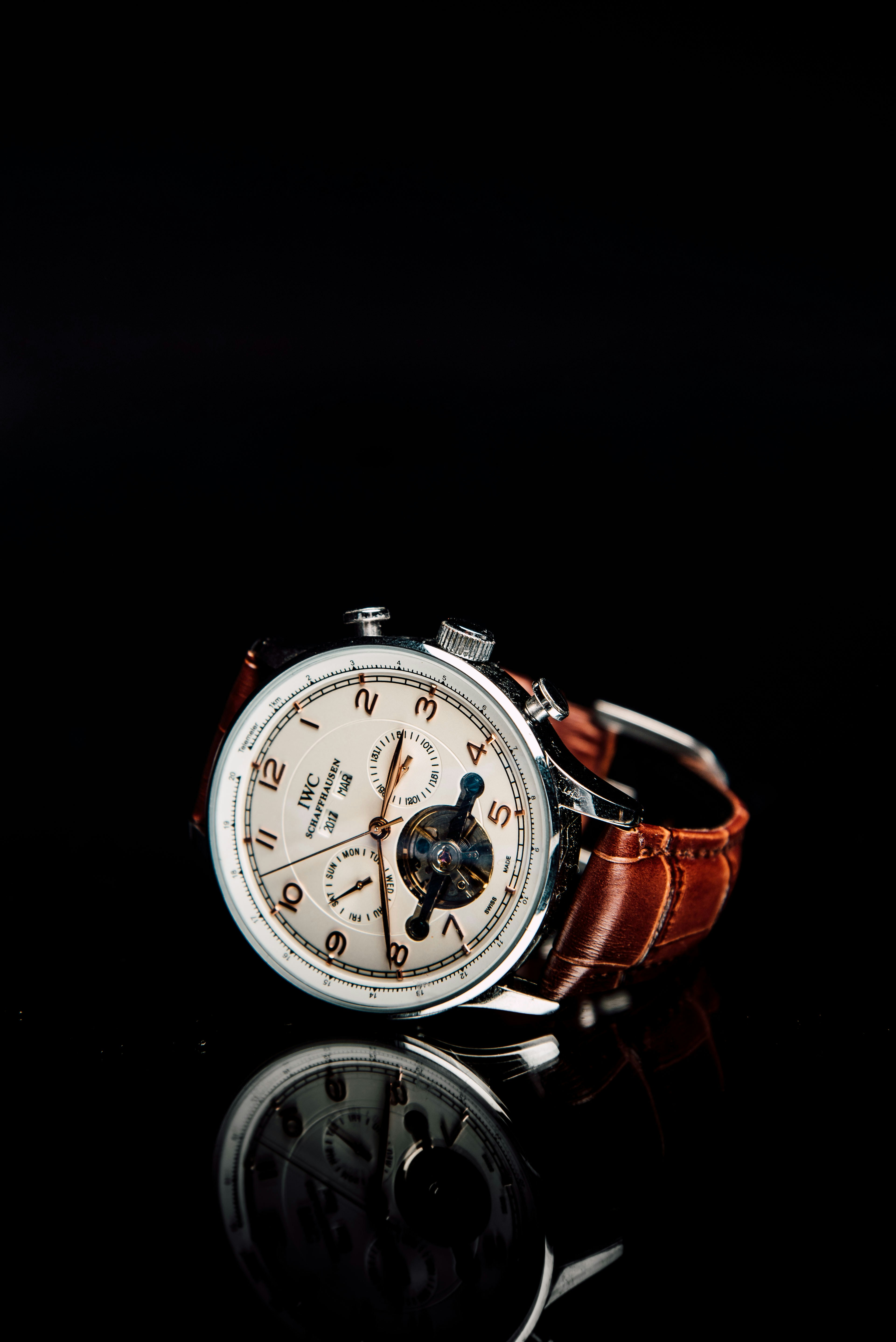
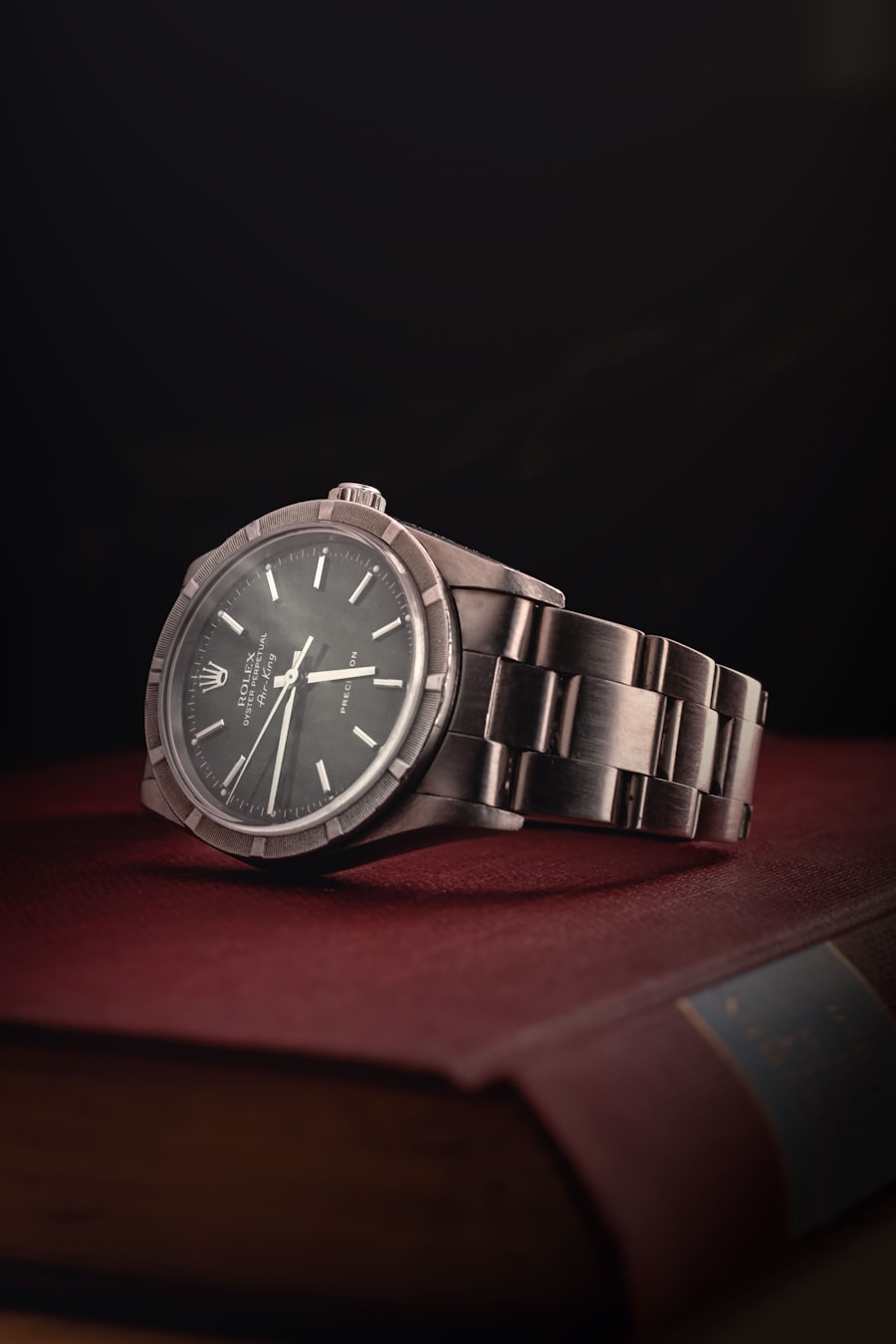
Meanwhile, Rolex experienced a subtle but meaningful shift. Market share declined slightly by 3.3%. While total transaction volume remains dominant, the message from the data is clear.
According to Chrono24’s brand marketing manager Balazs Ferenczi, short-term speculative investors have exited the market — and true collectors have returned.
When the market is no longer driven by hype, the rise of rectangular cases, moonphase complications, and refined brands represents accumulated taste rather than temporary speculation.
Despite geopolitical uncertainty and economic volatility, the secondary market has demonstrated resilience. In the United States — currently the strongest market — average transaction prices in the fourth quarter still rose by 8.43%.
Looking ahead to 2026, continued momentum is expected in:
For watch enthusiasts, this may be the moment they have been waiting for. The conversation is finally returning to style, proportion, and identity — rather than simply market prices.


 How Can You Build Your Own Watch Brand with a Limited Budget?
 English
 Español
 Русский язык
 Français
 بالعربية
 Facebook
 Youtube
 Linkedin
 Twitter
 Instagram
 Pinterest