Global Shortage of Watchmakers: Why Skilled Watch Technicians Are Becoming Increasingly Rare
One of the biggest challenges facing the modern watch industry is not a lack of customer demand, but a growing shortage of qualified watchmakers. While the long learning curve is widely discussed, another important barrier often goes unnoticed: the significant investment required in professional equipment.
For hobbyists, getting started is relatively affordable. A basic set of screwdrivers, tweezers, movement holders, and lubrication tools can cost around $1,000, which is enough to learn the fundamentals of mechanical watch construction and simple assembly work.
However, the situation changes dramatically for anyone hoping to become a professional watchmaker.

The Hidden Cost of Professional Watchmaking
A properly equipped service workshop requires a wide range of specialized equipment. This includes timing machines, ultrasonic cleaning systems, steam cleaners, polishing equipment, lathes, grinding machines, professional lighting systems, and numerous brand-specific tools.
Even a modest workshop can require tens of thousands of dollars in initial investment. For businesses seeking official brand authorization and compliance with manufacturer service standards, the required investment can easily exceed $100,000 before ongoing maintenance and upgrades are considered.
Some industry veterans recall cases where workshops purchased highly specialized Swiss polishing machines solely to meet the finishing standards of luxury brands. In one example, a single polishing system cost more than $60,000 and required over a year for delivery.

Education Remains a Major Challenge
Beyond financial investment, knowledge transfer remains a significant issue. Comprehensive and structured watchmaking education programs are still relatively limited worldwide.
Outside of formal watchmaking schools, many available courses focus primarily on mechanical theory and workflow understanding. While these programs provide valuable foundations, they rarely prepare students to independently perform advanced repairs on high-end mechanical movements.
As a result, the industry continues to depend heavily on experienced mentors and senior technicians who possess decades of practical knowledge.
This combination of lengthy training, limited educational resources, expensive equipment, and slow career progression discourages many newcomers from pursuing the profession long term.

Technology Is Lowering Some Barriers
There are, however, encouraging signs for the future. In recent years, Chinese-made watchmaking tools have improved rapidly. Many professionals report that certain domestically produced screwdrivers and precision tools now deliver performance remarkably close to their Swiss counterparts.
The same progress can be seen in the manufacturing of key watch components, including
watch cases,
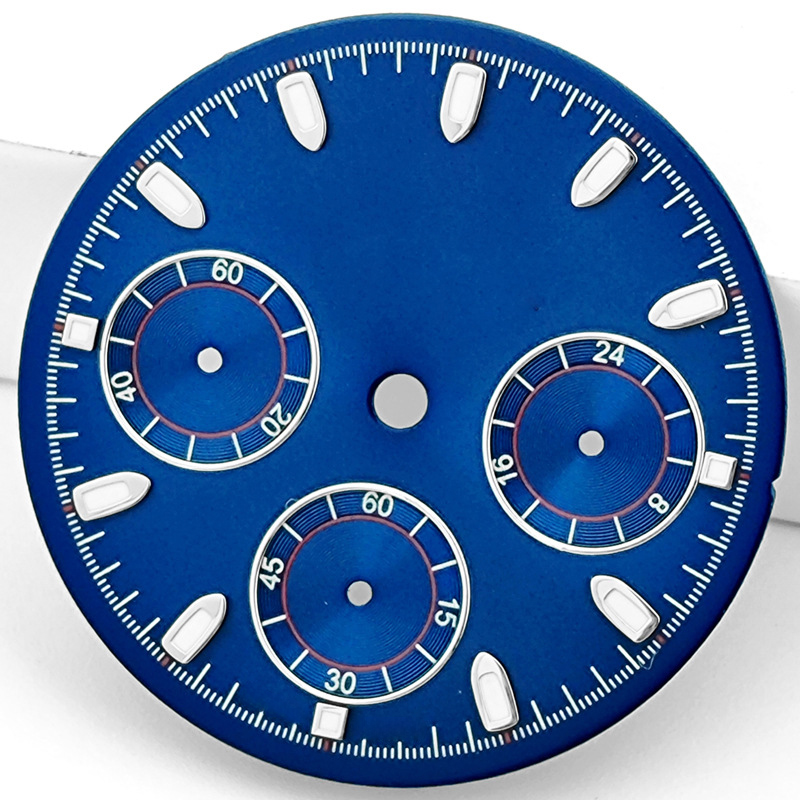
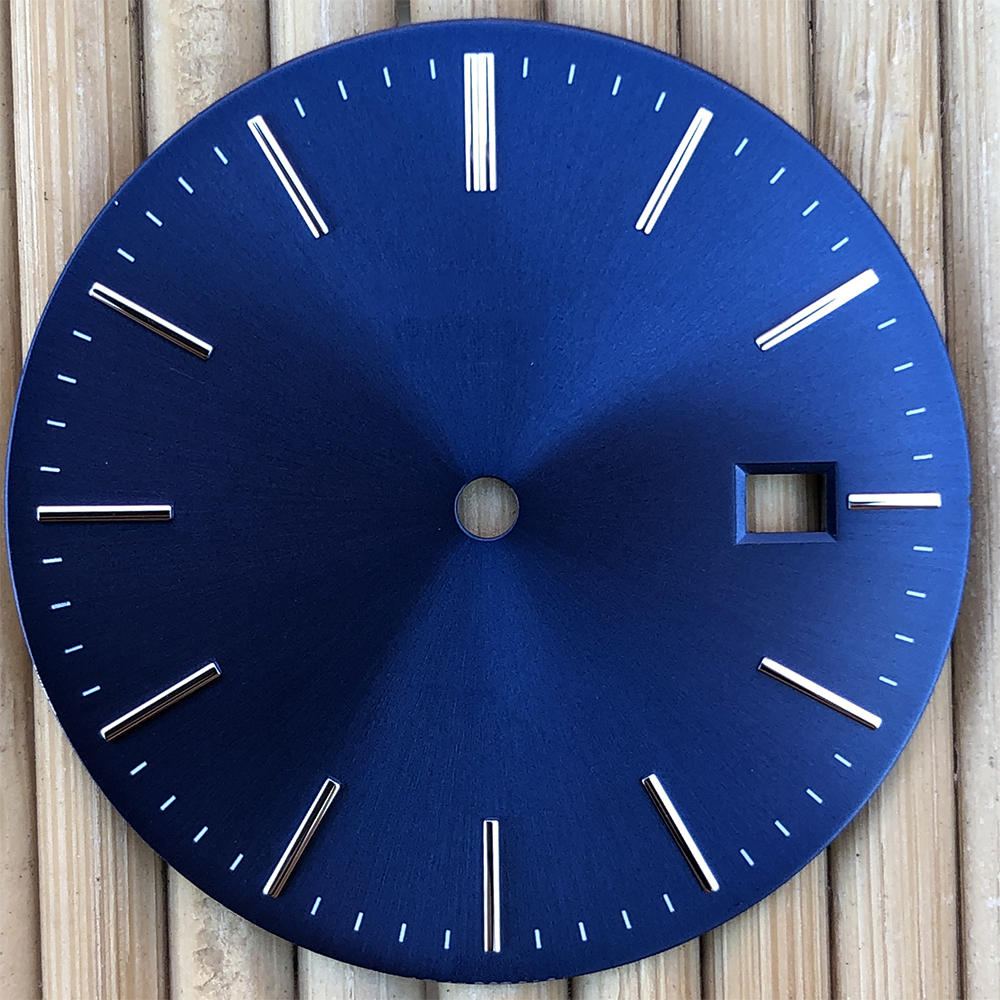
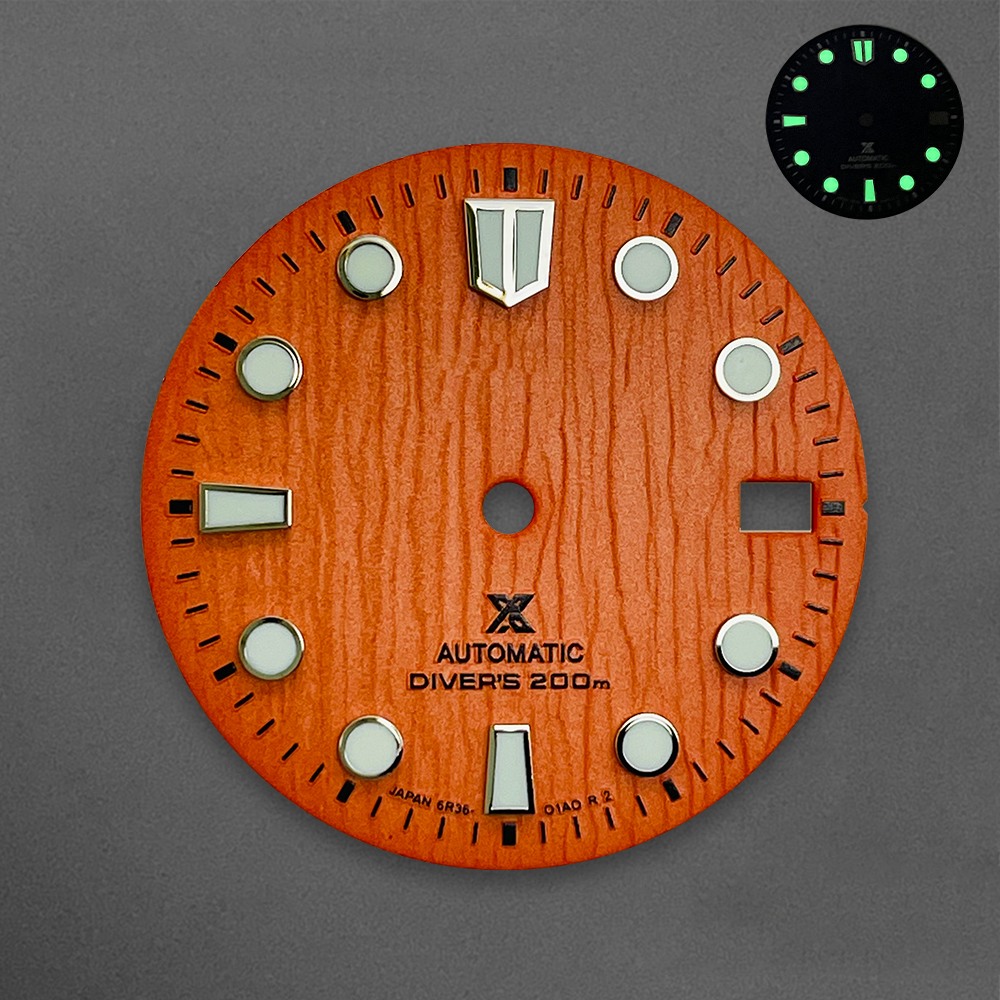
watch dials,
buckles, straps, hands, and other precision parts. High-quality production capabilities are becoming more accessible across the global supply chain.
For example, suppliers specializing in premium
watch buckles
and other components are helping independent brands and repair workshops obtain professional-grade parts at more competitive costs than ever before.
These developments are gradually lowering some of the barriers to entry and may help support the next generation of skilled watchmakers.
The Real Crisis Is Talent, Not Demand
From a global perspective, the greatest challenge facing the industry has never been insufficient demand. Millions of mechanical watches already exist in circulation, creating ongoing needs for maintenance, restoration, and technical support.
The real issue is that the number of experienced professionals is not growing fast enough to replace retiring generations of craftsmen. As veteran watchmakers leave the workforce and fewer young technicians complete the demanding training process, the shortage continues to widen.
For individuals who genuinely love mechanical watches and precision craftsmanship, this may represent a unique opportunity. Demand for expertise remains strong, and highly skilled professionals are valued more than ever.
As one veteran watchmaker famously remarked: "If your goal is simply to make money, there are easier careers. But if you truly love the craft, it is a profession worth spending a lifetime learning."